
A hot topic right now! Short-term study abroad in the Philippines is a hot topic right now!
Cost of studying in the Philippines
・Tuition
・Airline ticket
・Overseas Insurance
・visa
In the Philippines,Upon entry, you will be issued a 30-day tourist visa.If you plan to stay longer than this, you will need to extend your tourist visa.
One month extension4, 000If you are staying for more than 10,528 days, you will need to apply for an ACR-60 card, which will cost an additional 1 pesos (approximately 1 yen), including the cost of issuing the ACR-9,000 card and extending your tourist visa.
In addition, if you want to attend school, you will need a "Special Student Permit" (SSP), and applying for an SSP costs about 6800 pesos (about 18,000 yen in Japanese yen).
[Reference] Republic of the Philippines Bureau of Immigration
https://immigration.gov.ph/visas/visa-waiver/
・Local prices
If you study abroad at a language school in the Philippines, your accommodation and food costs are included, but electricity, water, utilities, and management fees must be paid separately locally. Prices vary depending on the school.
Electricity bill: Approximately 1000 pesos/week
Water bill: Approximately 300 pesos/week
Maintenance fee: Approximately 750 pesos/week
Prices in the Philippines are cheaper than in Japan, and you can eat at local restaurants for just 50 pesos (about 130 yen in Japanese yen), and transportation and communication costs are also reasonable compared to Japan.
(Communication charges)
Approximately 1 pesos per month (approximately 299 yen)
(Transportation expenses)
Taxi: 40 pesos (about 104 yen in Japanese yen)
Jeepney: 18 pesos (about XNUMX yen in Japanese yen)
Train: 15 pesos (about 40 yen in Japanese yen)
If you want to know more about prices in the Philippines,"
Characteristics of short-term study abroad in the Philippines
The Philippines is a very popular study abroad destination. Here are four characteristics of short-term study abroad in the Philippines!
Feature 1. High-quality English lessons at reasonable prices
In other English-speaking countries, classroom-based lessons are common, but in the Philippines, small-group, one-on-one lessons are the norm, which is highly effective in improving your English skills in a short period of time.
Feature 2. Low cost compared to other countries
The Philippines is one of the countries with low prices, and tuition fees are often relatively inexpensive, making it possible to study abroad at an extremely reasonable price compared to studying in other English-speaking countries.
Feature 3. Volunteer activities available
It is possible to participate in volunteer activities while studying abroad, which will not only improve your English skills but also give you valuable experiences that can only be had locally.
Learning English and Social Issues: A Case Study in the Philippines
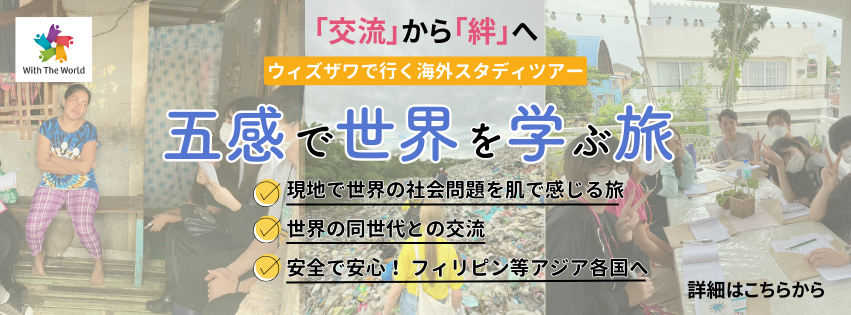
Here is an example of a short-term study abroad program in the Philippines. Students travel to Iloilo City in the Philippines, improve their English skills through English training, and deepen their understanding of social issues in the Philippines through field activities such as volunteer work at schools in Iloilo City and experiencing fair trade. In addition, by spending time every day with the brothers and sisters, they can build special relationships.
~2-week training in the Philippines activity report~
Day 1: Iloilo City, Philippines
・9:30 Depart from Narita International Airport
・18:05 Arrive in Iloilo City, Philippines
Day 2: Meeting local brothers and sisters for the first time! A day learning about the Philippines
From the second day, students will listen to an orientation session by a local NGO that provides support to the students, and set their goals for studying abroad. During lunch and dinner, students will spend time with the NGO staff and brothers and sisters to deepen their friendships.
・Welcome program orientation by NGOs
・Lunch with NGO staff, brothers and sisters
・Goal setting & team building
・Dinner with NGO staff, brothers and sisters
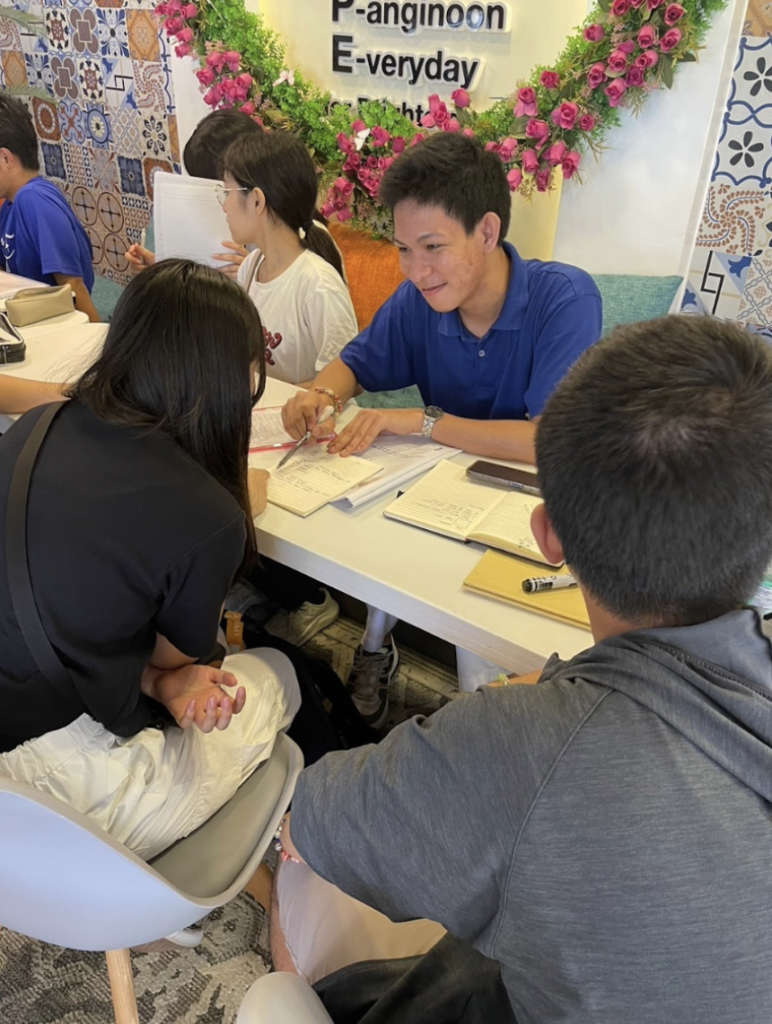
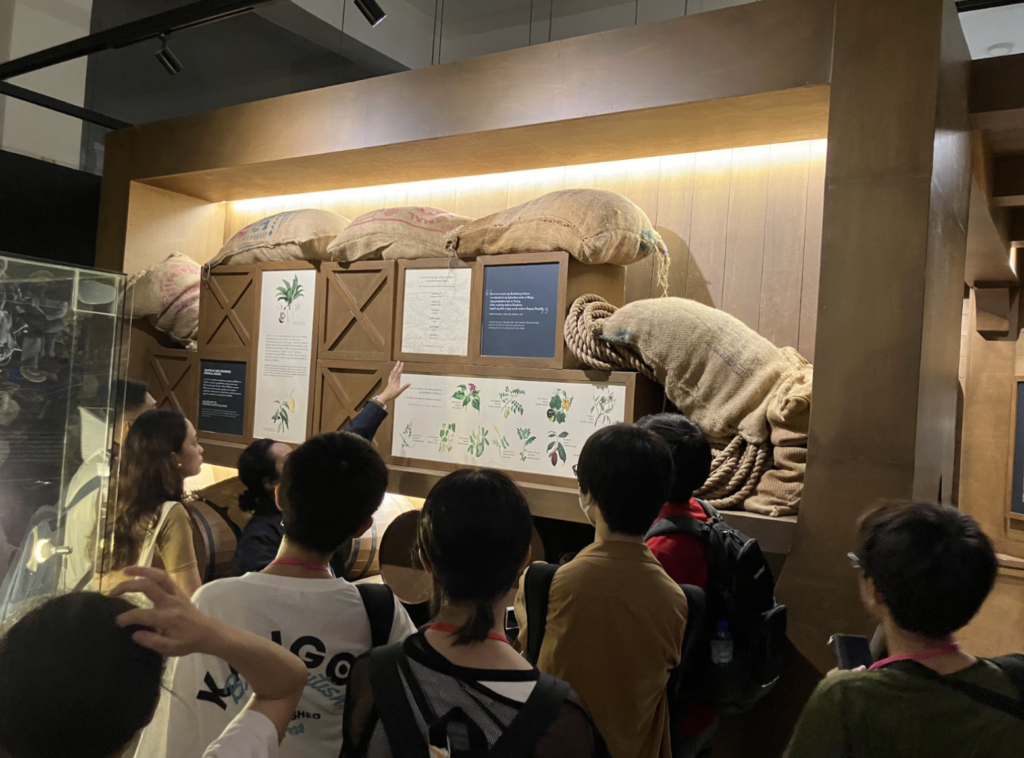
Day 3: Explore history at the Maritime Museum!
On the third day, we had English training in the morning and went to the Maritime Museum in the afternoon as a field activity.
・10:00 English training
・13:00 Lunch with NGO staff, brothers and sisters
13:30-16:30 Field activity: Visit to the Maritime Museum and historical exploration
・17:00 Dinner with NGO staff, brothers and sisters
Days 4-6 Morning: English training Afternoon: Field activities
Similarly, on the fourth and fifth days, after English training, the students visited historical sites such as Jaro Cathedral on the fourth day, went to an art gallery on the fifth day to deepen their knowledge of traditional Philippine culture, and on the sixth day they participated in a local fair trade experience and learned about fair trade in the Philippines.
・10:00 English training
・13:00 Lunch with NGO staff, brothers and sisters
13:30-16:30 Field activities
・17:00 Dinner with NGO staff, brothers and sisters
Day 7 Recreation
On this day, we went to Giramas Island in the Philippines together with NGO staff and brothers and sisters!
・10:00-12:00 Guimaras Island Sightseeing
・12:30 Lunch with NGO staff, brothers and sisters
・13:30-16:30 Guimaras Island Sightseeing
・17:00 Dinner with NGO staff, brothers and sisters
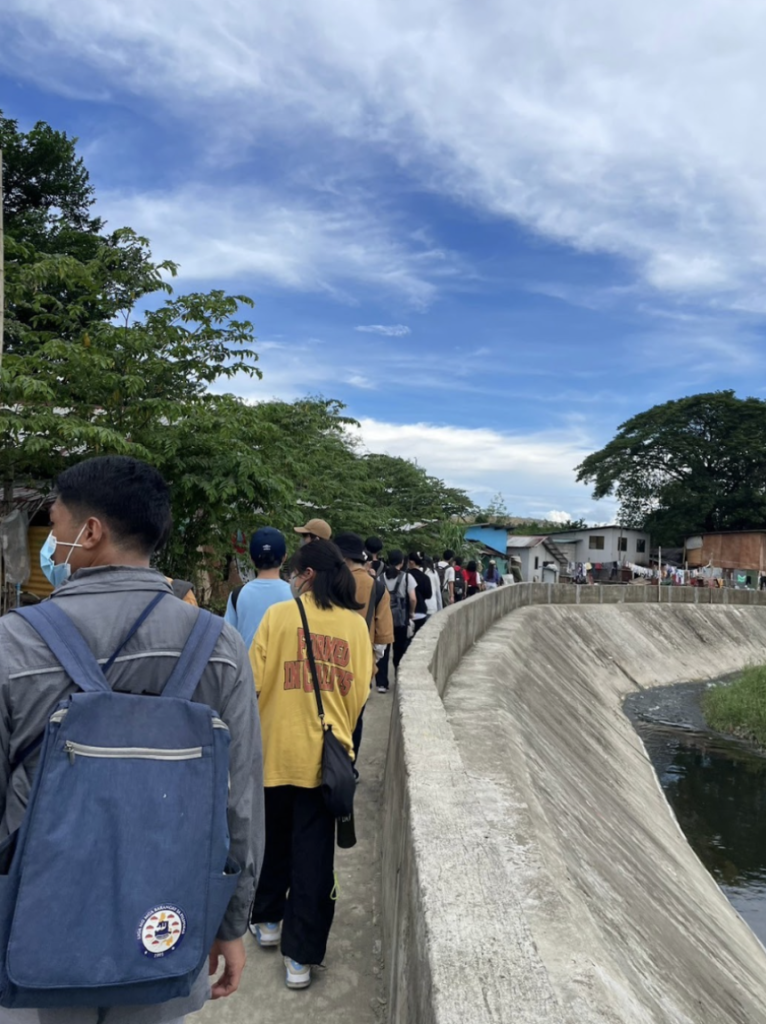
Days 8-10 Morning: English training Afternoon: Field activities
On the eighth day, the students visited a sanitary treatment plant in the afternoon and experienced making fair trade products. On the ninth day, they visited the Balentin National Cemetery and learned about the history of Iloilo during World War II. On the tenth day, they visited a high school in Iloilo City and participated in a sports exchange with local high school students.
・10:00 English training
・13:00 Lunch with NGO staff, brothers and sisters
13:30-16:30 Field activities
・17:00 Dinner with NGO staff, brothers and sisters
Day 11 Morning: Final presentation Afternoon: Field activities
On the 11th day, the students gave their final individual presentations as a culmination of their field activities and English training. In the afternoon, they visited the Molo Mansion, a historic site in Iloilo City, and learned about the history of the Philippines.
・9:00 English training & final individual presentation
・13:00 Lunch with NGO staff, brothers and sisters
13:30-16:30 Field activities
・17:00 Dinner with NGO staff, brothers and sisters
Day 12: Volunteer activities
On the 12th day, the group tried their hand at tree planting as a volunteer activity. In the afternoon, they visited an elementary school in Iloilo City and gave lessons to the children.
・10:00 Volunteer
・12:00 Lunch with NGO staff, brothers and sisters
・13:30-16:30 Field activity: Teaching Japanese culture at an elementary school
・17:00 Dinner with NGO staff, brothers and sisters
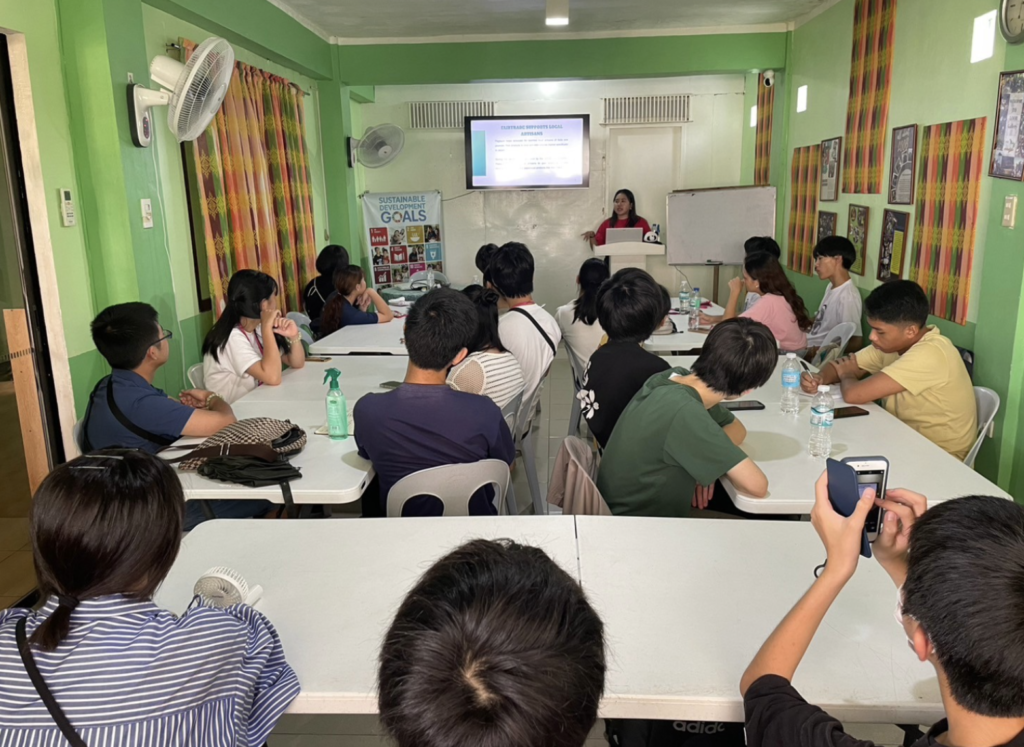
Day 13: SDGs Ideathon, Farewell Party
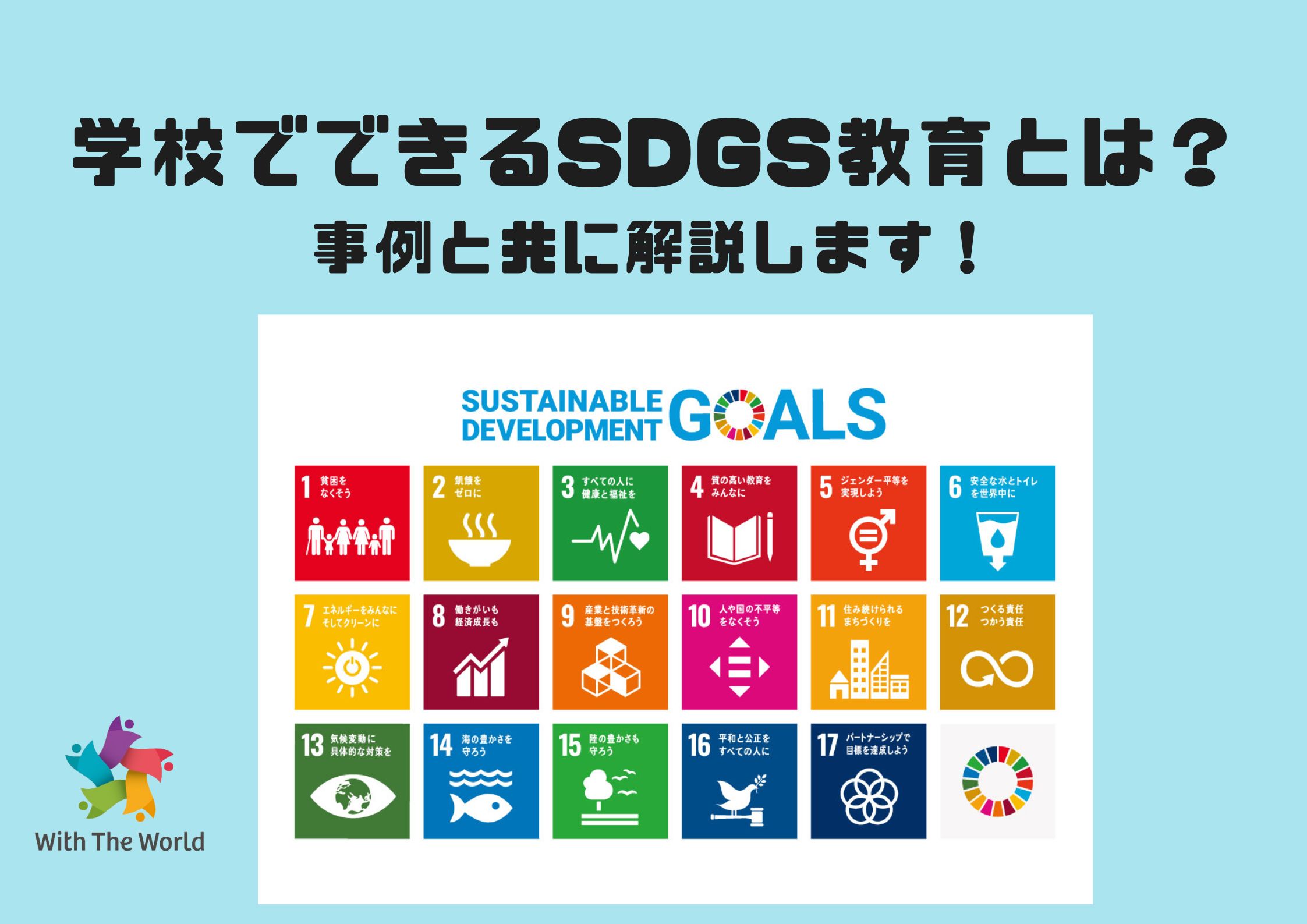
On the 13th day, we held an SDGs ideathon, where participants looked back on their fieldwork and volunteer activities to date, and shared and discussed ideas for achieving the SDGs.
In the afternoon, a farewell party was held with the brothers and sisters. Many students were seen shedding tears as they reminisced about their memories.
・10:00 SDGs Ideathon
・12:00 Dinner with NGO staff, brothers and sisters
・13:30 Preparation for farewell party, dinner and farewell party with brothers and sisters
Day 14: Return to Japan
・10:30 Departure from Iloilo Airport
・20:00 Arrive at Narita Airport
Voices of students who participated
Changes in communication
I felt it was a very good experience. I feel that I have grown in terms of my English conversation skills, but I also learned that in places where the language is not understood, you need to be able to communicate with people in a way that is easy to understand, such as how to communicate with them in a way that is easy to understand. In Japan, you can communicate in Japanese without using English, but overseas, you need to be able to communicate in your own way, so you need to be able to respond.
New awareness of social issues
I learned a lot about the SDGs this time, so I would like to find out more about the current situation in the world and do what I can, starting with small things.
Like the overseas volunteers who helped out this time, I felt that I could contribute to the experiences of others by telling them about Japan and participating in such volunteer activities.
Understanding different cultures
I participated in the training without knowing anything about the Philippines. During my time in the Philippines, I found it very interesting to learn about the differences in culture, values, and ways of thinking between the Philippines and Japan.
Thinking about social issues in the Philippines! Study Abroad in the Philippines with With The World
With The World's short-term study abroad program in the Philippines allows students to improve their English in a short period of time, while also deepening their understanding of Philippine culture and life through fieldwork and volunteer activities in the country, and thinking about the social issues facing the Philippines. In this way, by participating in volunteer activities while studying abroad, students can put the English they learned to practical use and expect to further improve their English skills. In addition, by interacting with people they meet through volunteering and experiencing firsthand the social issues of the Philippines that cannot be experienced in Japan, students will be able to broaden their horizons and acquire the skills and knowledge required to become a global talent.
If you want to grow through short-term study abroad, why not join us and make your study abroad experience in the Philippines unforgettable?
Click here for more information about the Philippines training program!