
Introducing the new school trip "SDGs School Trip" - Initiatives and examples
(1)Don't just do sightseeing: School trips and SDGs
The school trip is a major annual event. Students broaden their horizons in a different living environment than usual.The purpose of school trips is to expose students to nature and culture and to gain experience in group behavior, but there is currently a movement in schools to reconsider the traditional nature of school trips.
Shuichi Takeuchi, chairman of the Japan School Trip Association, had this to say about the future of school trips:
Educational fields are being called upon to support the creation of programs based on the SDGs, decentralized experiential activities, discussions with local people, and pre- and post-learning, including online learning.
[Quoted from Travel Voice: What is the future of changing school trips? The reality of environmental changes and "inquiry learning"]
https://www.travelvoice.jp/20231005-154354
With the recent emphasis on "inquiry learning" following the revision of the elementary, junior high, and high school curriculum guidelines for 2020-2022, students are being asked to think about problems that do not have a single correct answer, such as the SDGs. This trend is being sought to be incorporated not only in regular school classes, but also in school events such as school trips.
↓For more information about English inquiry classes, click here! ↓
[A thorough explanation of English inquiry classes, from the basics to case studies!]
https://withtheworld.co/english-inquiry-based-learning/
(2) SDGsThe significance of introducing this into schools
What are SDGs?The SDGs are made up of 2030 comprehensive goals and 17 targets to be achieved by 169, with the aim of realizing a society in which "no one is left behind."This section lists the items necessary for the future survival of humankind and all life on Earth.
In today's society, where environmental problems, resource issues, and the spread of poverty are becoming more serious, the SDGs are seen as important goals that the world should work toward in order to eradicate poverty, protect the planet, and ensure that everyone can continue to live in peace.
[Reference: The first step towards a sustainable world: SDGs CLUB]
https://www.unicef.or.jp/kodomo/sdgs/about/
As the SDGs are gaining attention, there is a need in the field of education to nurture young people who will tackle these issues. One of these is the introduction of "Education for Sustainable Development (ESD)" in the field of education, which aims to nurture leaders who will lead the sustainable society that the SDGs aim for. Unlike traditional passive learning, it places emphasis on inquiry-based learning processes, and the importance of learner-centered, proactive learning opportunities is increasing.
↓For more information on SDGs education, click here↓
[What kind of SDGs education can be done at school? Explained with examples]
https://withtheworld.co/sdgs-education/
These changes in the educational field are not only bringing about changes in regular classes, but also in school trips, where students can learn more about local and environmental issues through practical experiences.
(3)Educational Case Studies
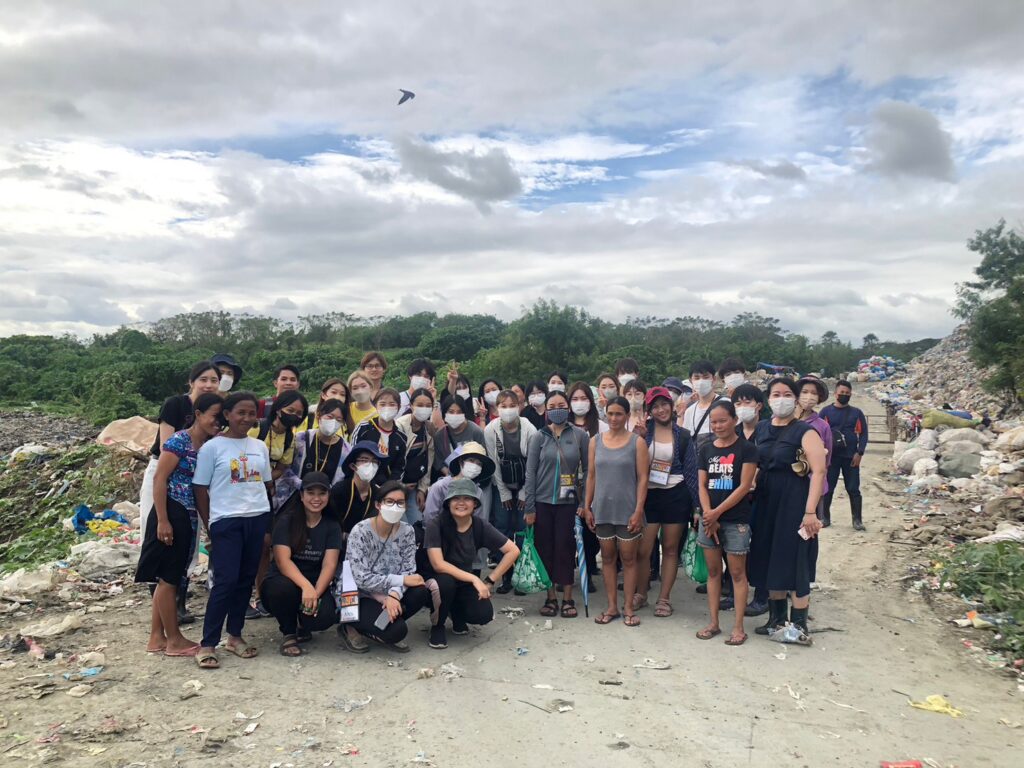
・Considering the environmental problems facing the Philippines: The case of Nitobe Bunka Junior and Senior High School
Students from Nitobe Bunka Junior and Senior High School in Tokyo visited Iloilo City in the Philippines to think about the garbage dump problems and poverty issues facing the country.
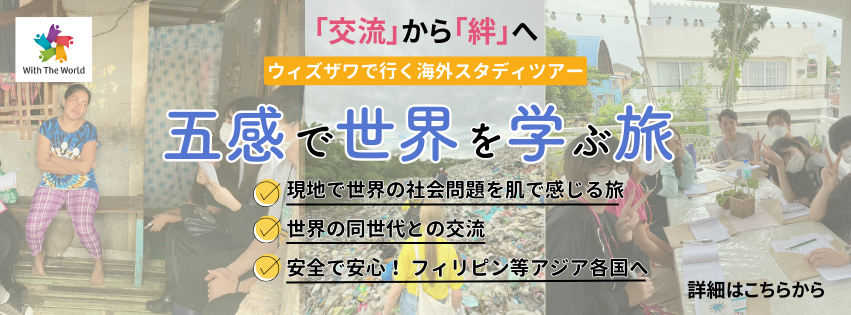
It won't just be a fun trip and English study; participants will visit local villages, primary schools, and garbage dumps with local young people and interact with people from a variety of backgrounds, deepening their understanding of social issues in the Philippines.
This program consists of three parts: pre-training, on-site training, and post-training. In the pre-training, participants gained basic knowledge about SDGs by researching the current situation in the Philippines and the current situation in Japan in the areas of education/economic activity, history/peace, traditional inheritance/food/clothing/shelter, and gender, and decided on themes and questions they would like to explore in their on-site training. In the post-training, participants gave presentations and, through their on-site learning, came up with projects to realize the themes and questions from the pre-training and presented them.
[Philippines training! - Nitobe Bunka Junior and Senior High School -]
https://withtheworld.co/nitobe-school-philippines-studytour/
・Learning and thinking about educational issues in India: The case of Shoin Junior and Senior High School
Shoin Junior and Senior High School in Kobe, Hyogo Prefecture, a city contributing to the SDGs, visited Sujata Village in India online with the cooperation of the NPO Niranjanasewa Sangha.
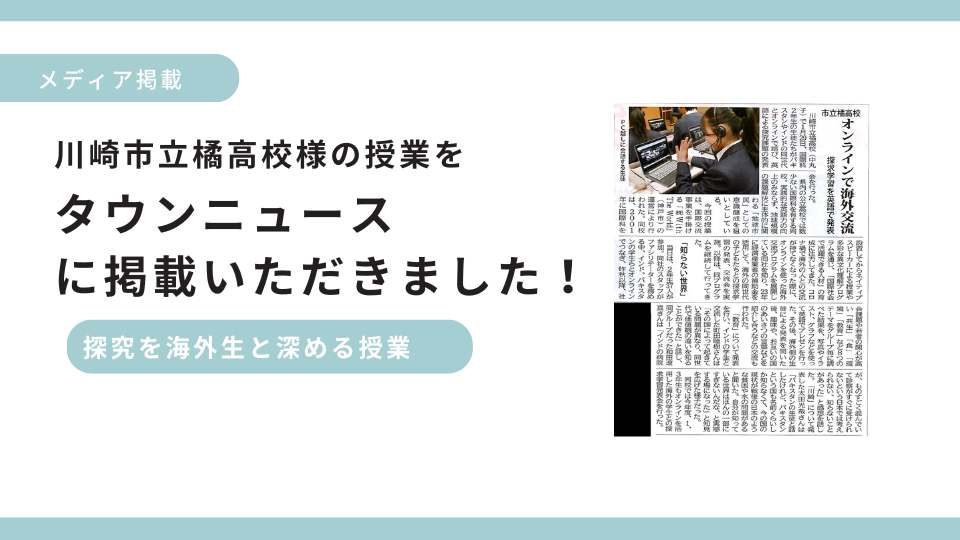
This program taught participants about social issues facing India, such as poverty, gender issues, and the resulting educational problems, through interactions with local students and panel discussions with local NPOs. They developed a sense of responsibility for the social issues facing India and a sense of being a member of the international community.
[Shoin Junior and Senior High Schools conduct India On-Study Tour!]
https://withtheworld.co/shoin-juniour-high-school/
(4) SDGs and school trips to develop human resources who will lead the next generation
As such, in today's society where many problems such as environmental issues and the gap between rich and poor are becoming more serious, there is an urgent need to develop the next generation of human resources who will realize a sustainable society.
Our company, With The World, organizes overseas school trips to countries such as the Philippines, Taiwan, and Vietnam. We provide fieldwork that allows students to think about the social issues facing each country from the perspective of the SDGs, discuss them with local students of the same age, and put into practice the solutions they have come up with.
(5) Pre- and post-school trip training to take what you learned on the school trip beyond
In addition, our company, With The World, also focuses on pre- and post-SDGs trip training programs, so that what you learn on the school trip will last a lifetime.

Pre-learning to make on-site training more educational
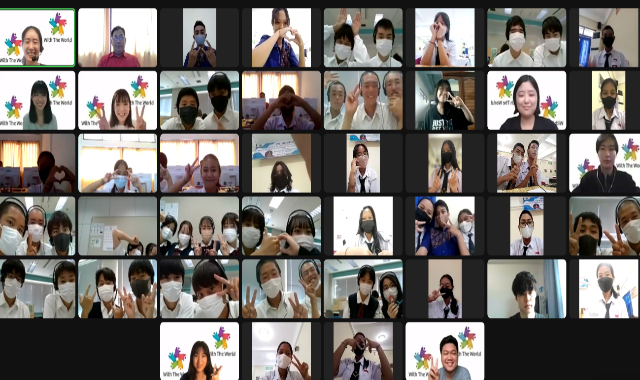
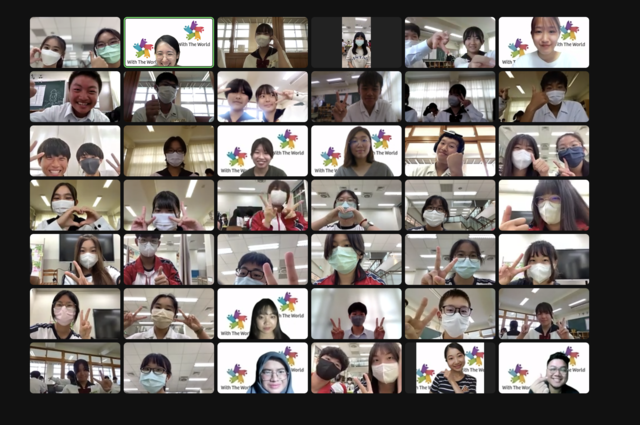
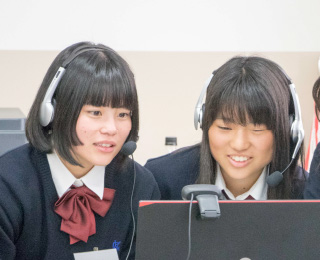
Before traveling to the destination, students will be able to connect with their classmates online, get to know the local students in advance, and clarify the goals of their activities there.
In addition, participants will conduct research in advance on social issues related to the SDGs and clarify what they would like to learn during the on-site training.
Post-training to connect what you learned during the on-site training to the future
In the follow-up study after returning home, there will be time to share what they learned and what they noticed during the training, and to think about how they will use this knowledge in the future.When asked, "Do you want to take some action to achieve the SDGs and solve social problems?" all of them answered "Yes."
Why not try the new SDGs school trip format, which will help children feel closer to the SDGs?